









403
Sorry!!
Error! We're sorry, but the page you were looking for doesn't exist.
Why we still need to teach young people about the Holocaust
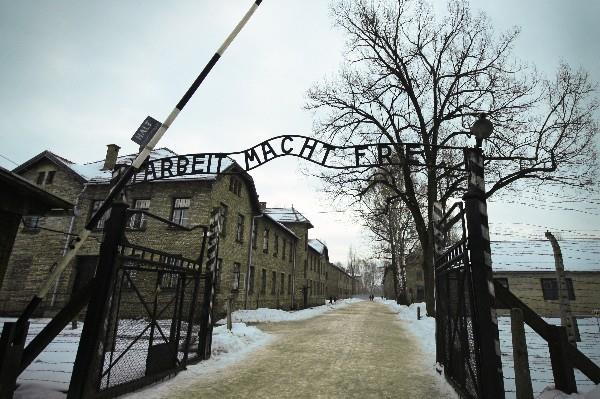
(MENAFN- The Conversation) It has been more than 70 years since the . Auschwitz was the most notorious of all the concentration camps – where it is believed that more than a million people were systematically exterminated via state systems of execution and torture.

Concentration camps were central to the and Jews, Gypsies, , gay people and people with intellectual disabilities.
But while most people have heard of the major concentration camps – Auschwitz, Buchenwald, Dachau, and Treblinka – these were not the only places Jews and other prisoners were held. Each of the 23 main camps had sub-camps – there were nearly 900 of them in total.
The horrors of Auschwitz and World War II led Western scholars and governments to become increasingly sensitive to the need to educate society about the dangers of . Which is why schools throughout Europe and beyond teach students about the Holocaust – and the associated moral and ethical issues.
The importance of has also helped to create and memorials – such as the . This museum has an educational training centre with facilities to enrich the studies on the Holocaust. Other sites include the and the in New York.
History repeating?Young people today are growing up at a time when support for right-wing politics is on the rise across Europe. With unemployment rife and the prospects of owning a home diminishing, right-wing groups offer an alternative way for . This is evidenced by a surge of numbers and support for far-right parties groups across Europe – including France, Sweden, The Netherlands and Austria.
In these countries, outsider parties have had large increases in support for their . And while most of these parties have not achieved a full grip on power, it is a cause for concern that radical right-ring candidates are .
France's Marine Le Pen who plans to rebrand the National Front in an attempt to swing her party back to its anti-immigrant and anti-crime roots.This is increasingly worrying given that direct intolerance of others is being advocated by powerful world leaders. Since Donald Trump's victory in the 2016 US presidential election, he has caused .
Parallels between this growth of far-right parties can be seen in our recent history. And the political unrest, inequalities, lack of employment opportunities and fragmented societies – the sort of conditions that helped the Nazis get into power all those years ago – are alarmingly similar to the current situation in Europe.
Importance of rememberingIt is therefore timely and important that young people continue to develop an understanding of the consequences of these ideologies and develop a moral compass. One way this can be done is by taking students to these historical sites and memorials to gain a full insight as to what it was like live through horrific events such as the Holocaust.
suggests that by visiting emotional sites such as Auschwitz, it may help students to become more morally and socially aware of the consequences . And that it also helps to foster a sense of responsibility among young people – and assist in the development of their .
This is vitally important, because we have found that some university educated students have a real lack of knowledge and understanding of the Holocaust – and recent political events – despite having this information at their fingertips.
Educating for the futureIn this way then, universities and schools have an obligation to educate and develop the moral and social awareness of young people. And there is a real need to preserve Holocaust sites such as Auschwitz for future generations to learn from.
Young people today are the future leaders of the world tomorrow – so it is vital that we ensure these atrocities of the Holocaust are not repeated. Especially given the diminishing numbers of survivors able to 'tell their story'.
This is why young people need to be . And now is the time to . Because otherwise, how else can they truly understand the potentially dire consequences of exclusion, division and lack of tolerance of others.

Legal Disclaimer:
MENAFN provides the
information “as is” without warranty of any kind. We do not accept
any responsibility or liability for the accuracy, content, images,
videos, licenses, completeness, legality, or reliability of the information
contained in this article. If you have any complaints or copyright
issues related to this article, kindly contact the provider above.
Most popular stories
Market Research

More Story






Comments
No comment