









403
Sorry!!
Error! We're sorry, but the page you were looking for doesn't exist.
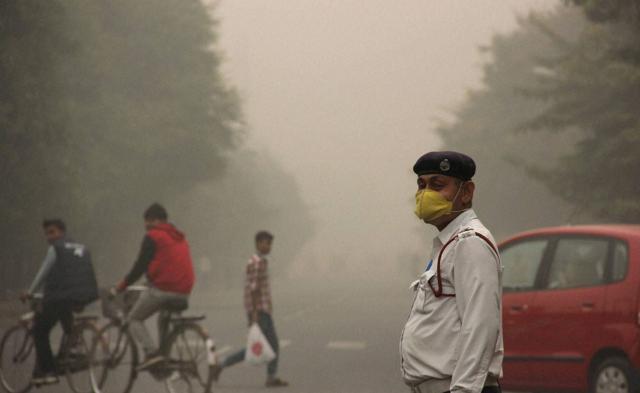
Indian capital wakes up to third day of heavy pollution
(MENAFN- Trend News Agency ) The Delhi government is being urged to declare a city-wide health emergency, as residents endured a third straight day of heavy pollution, reports.
Air quality readings in India's capital have soared since Tuesday, with one monitor showing levels in the city were 969 -- the World Health Organization considers anything above 25 to be unsafe.
Those levels are based on the concentration of fine particulate matter, or PM 2.5, per cubic meter. The microscopic particles, which are smaller than 2.5 micrometers in diameter, are considered particularly harmful because they are small enough to lodge deep into the lungs and pass into other organs, causing serious health risks.
Officials scrambled to provide a response as TV stations looped video of reporters taking live pollution readings amid a background of thick smog. On the street, residents tied scarfs across their faces as makeshift masks.
On Wednesday, the Delhi government took the unusual step of closing all schools until Sunday, but has so far resisted calls from the Indian Medical Association to declare a public health emergency, and enact more sweeping measures, such as temporarily banning cars from the roads.
The smog has blanketed much of the city in recent days, severely reducing visibility, restricting traffic and delaying flights. Mahesh Sharma, a government minister in the Ministry of Environment, Forest and Climate Change, has blamed the unusually high pollution levels on a lack of wind and change in humidity levels.

Legal Disclaimer:
MENAFN provides the
information “as is” without warranty of any kind. We do not accept
any responsibility or liability for the accuracy, content, images,
videos, licenses, completeness, legality, or reliability of the information
contained in this article. If you have any complaints or copyright
issues related to this article, kindly contact the provider above.
Most popular stories
Market Research

More Story







Comments
No comment