

403
Sorry!!
Error! We're sorry, but the page you were looking for doesn't exist.
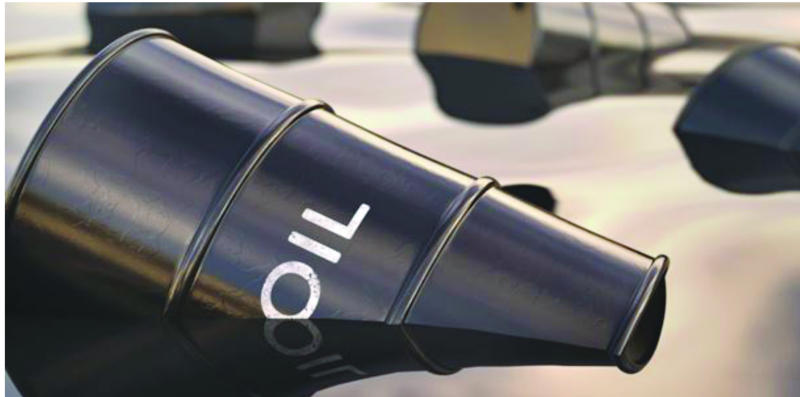
More pain for oil slight gain for industrial metals


(MENAFN- Arab News) JEDDAH: Commodities remain under pressure with the Bloomberg Commodity Index hitting a new 16-year low recently. While industrial metals stabilized on signs of further production cutbacks the opposite increased supplyhas pummeled oil lower with Brent crude oil falling below $40 according a report prepared by Ole Hansen head of commodity strategy Saxo Bank.
OPEC's current pump and dump strategy was left unchanged at its latest meeting. The absence of a clear strategy on how to deal with the extra supply coming from Iran during the coming quarters left oil reeling and it was weakened further by the news that the cartel's November production had risen to a 3-year high.
Industrial metals led by copper and lead continued to stabilize on further news about planned production cutbacks. The mining industry has been left reeling following months of price falls coming after years of an exuberant expansion drive.
Precious metals went into lockdown ahead of next week's long-awaited rate hike from the US. Speculative investors holding a record short futures position took some chips off the table in response to the weaker dollar but it was generally a quiet week.
Weather woes
The biggest loser was US natural gas which dropped below $2 to the lowest since 2012 and the lowest for this time of year since 1998. Just like Northern Europe the US winter has proven to be milder than usual and this has suppressed demand for heating and kept underground stocks elevated.
Adding to the market woes US production especially from fracking remains on track to hit a record for a fifth straight year. The January futures contract which normally represents peak prices and peak demand is trading some 45 percent below last year's level. The silver lining at this stage could come from the fact that US gas is trading more than 3.5 times cheaper than East Asian LNG and this could support increased export demand.
The US is on track to become a net exporter of natural gas. Once several large-scale US liquefaction facilities currently under construction are up to speed towards 2020 they would have the capacity to export more than 10 percent of the country's natural gas output.
Oil
Brent crude oil hit the lowest level since December 2008 when oil collapsed in response to the global financial crisis back then. A new financial crisis in the oil sector is moving ever closer as the ongoing price weakness continues to push weaker producing countries and oil companies closer to the edge.
OPEC is producing the most oil in three years and the IEA (International Energy Agency) has warned that the global supply glut is set to worsen in the months to come as additional supplies from Iran will push more oil into storage.
The good news from IEA's perspective is that worries about the world running out of storage is unlikely with new facilities still being build not least in China where strategic reserves continue to grow. The record pace of global stock building will begin to slow into 2016 as non-OPEC production falls and demand remains strong. But the IEA does not see the market finding a balance between supply and demand at least until late 2016.
As a result we are likely to see 2016 oil forecasts being reduced even further with the chance of Brent crude climbing back above $60 looking increasingly unlikely before 2017.
Precious metals
The year-long wait for a liftoff in US interest rates is coming to an end. The Federal Open Market Committee members was due to sit down for the final time this year on Wednesday and the market is 76 percent convinced that it will yield the first official rate hike in over nine years.
The market activity this past week has been fairly subdued and with traders fixated on next week the weakening dollar failed to trigger much support apart from a limited amount of (short) position squaring.
The multi-month build up to this event have seen investors increasingly fleeing precious metals not least gold. Since the beginning of the year they have pulled 135 tons from exchange-traded products backed by gold while hedge funds are now holding a record short on COMEX futures traded in New York.
How will gold perform in the aftermath of this rate hike much depends on the dollar reaction. The market is currently pricing in a 25 basis points rate hike followed by a gradual rise towards 1.7 percent by the end of 2018. Most of the gold impact will therefore be derived from the behavior of the dollar. The disappointing lack of significant action from the European Central Bank recently triggered a major round of dollar selling as elevated euro short positions were reduced.
The early part of 2016 will remain challenging especially if the general consensus of a stronger dollar is realized. Depending on the level of market stress emerging from the credit market gold and the dollar could both see their expected trajectories being reversed.
OPEC's current pump and dump strategy was left unchanged at its latest meeting. The absence of a clear strategy on how to deal with the extra supply coming from Iran during the coming quarters left oil reeling and it was weakened further by the news that the cartel's November production had risen to a 3-year high.
Industrial metals led by copper and lead continued to stabilize on further news about planned production cutbacks. The mining industry has been left reeling following months of price falls coming after years of an exuberant expansion drive.
Precious metals went into lockdown ahead of next week's long-awaited rate hike from the US. Speculative investors holding a record short futures position took some chips off the table in response to the weaker dollar but it was generally a quiet week.
Weather woes
The biggest loser was US natural gas which dropped below $2 to the lowest since 2012 and the lowest for this time of year since 1998. Just like Northern Europe the US winter has proven to be milder than usual and this has suppressed demand for heating and kept underground stocks elevated.
Adding to the market woes US production especially from fracking remains on track to hit a record for a fifth straight year. The January futures contract which normally represents peak prices and peak demand is trading some 45 percent below last year's level. The silver lining at this stage could come from the fact that US gas is trading more than 3.5 times cheaper than East Asian LNG and this could support increased export demand.
The US is on track to become a net exporter of natural gas. Once several large-scale US liquefaction facilities currently under construction are up to speed towards 2020 they would have the capacity to export more than 10 percent of the country's natural gas output.
Oil
Brent crude oil hit the lowest level since December 2008 when oil collapsed in response to the global financial crisis back then. A new financial crisis in the oil sector is moving ever closer as the ongoing price weakness continues to push weaker producing countries and oil companies closer to the edge.
OPEC is producing the most oil in three years and the IEA (International Energy Agency) has warned that the global supply glut is set to worsen in the months to come as additional supplies from Iran will push more oil into storage.
The good news from IEA's perspective is that worries about the world running out of storage is unlikely with new facilities still being build not least in China where strategic reserves continue to grow. The record pace of global stock building will begin to slow into 2016 as non-OPEC production falls and demand remains strong. But the IEA does not see the market finding a balance between supply and demand at least until late 2016.
As a result we are likely to see 2016 oil forecasts being reduced even further with the chance of Brent crude climbing back above $60 looking increasingly unlikely before 2017.
Precious metals
The year-long wait for a liftoff in US interest rates is coming to an end. The Federal Open Market Committee members was due to sit down for the final time this year on Wednesday and the market is 76 percent convinced that it will yield the first official rate hike in over nine years.
The market activity this past week has been fairly subdued and with traders fixated on next week the weakening dollar failed to trigger much support apart from a limited amount of (short) position squaring.
The multi-month build up to this event have seen investors increasingly fleeing precious metals not least gold. Since the beginning of the year they have pulled 135 tons from exchange-traded products backed by gold while hedge funds are now holding a record short on COMEX futures traded in New York.
How will gold perform in the aftermath of this rate hike much depends on the dollar reaction. The market is currently pricing in a 25 basis points rate hike followed by a gradual rise towards 1.7 percent by the end of 2018. Most of the gold impact will therefore be derived from the behavior of the dollar. The disappointing lack of significant action from the European Central Bank recently triggered a major round of dollar selling as elevated euro short positions were reduced.
The early part of 2016 will remain challenging especially if the general consensus of a stronger dollar is realized. Depending on the level of market stress emerging from the credit market gold and the dollar could both see their expected trajectories being reversed.

Legal Disclaimer:
MENAFN provides the
information “as is” without warranty of any kind. We do not accept any
responsibility or liability for the accuracy, content, images, videos,
licenses, completeness, legality, or reliability of the information
contained in this article. If you have any complaints or copyright issues
related to this article, kindly contact the provider above.
Comments
No comment