

403
Sorry!!
Error! We're sorry, but the page you were looking for doesn't exist.
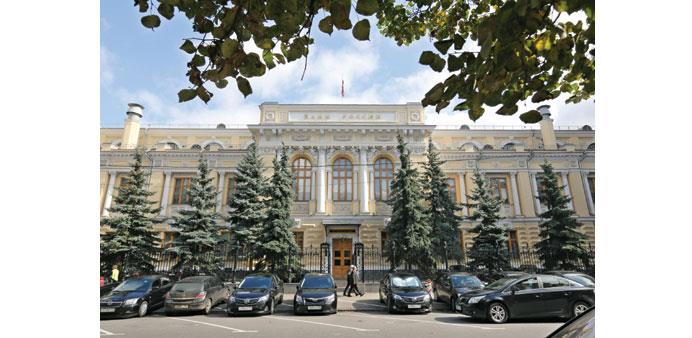
Russia may take another detour on the way to its next interest rate cut


(MENAFN- Gulf Times) Russia may be about to take another detour on the way to its next interest-rate cut.
Just as the path to further easing was clearing amid a pause that started in September, sentiment turned within days after a Russian warplane was shot down by Turkey. While price growth probably eased in November to this year's low, trade measures against Turkey, in addition to a new federal highway toll, are threatening to set off a new inflation spiral. Data may show that the annual rate slipped for a third month to 14.9% from 15.6% in October, according to the median of 20 estimates in a Bloomberg survey.
The central bank's chase after its medium-term inflation target of 4% has been littered with surprises as Governor Elvira Nabiullina lurched from one crisis to another after Russia annexed Crimea from Ukraine in March 2014. The latest twist in Turkey may mean policy makers will end the year half a percentage point short of unwinding last December's emergency rate increase, with Barclays seeing a cut thwarted this month by the effect of the trade restrictions on prices.
"There are so many various risks all of a sudden that they will prefer to be cautious and take a little bit more time to see," Liza Ermolenko, a London-based analyst at Capital Economics, said by phone. "The central bank will probably hold rates for another month this time and will probably start cutting from next year."
The multiplying risks are compounding what's already been a year and a half of adjustments to spillovers from geopolitics, swings in commodities prices and the currency market.
Blindsided by the standoff over Ukraine, Nabiullina began a tightening cycle when inflation was stable below 7%. Even as the economy ground to a near standstill and headed into its first recession in six years, the central bank jacked up borrowing costs by the most in 16 years in December to 17% to arrest the rouble's collapse.
With oil prices slumping and a supply shock from restrictions on some food imports in 2014, inflation didn't peak until reaching a 13-year high of 16.9% in March. After five rate cuts brought the benchmark to 11% in July, the rouble's drop of about 9% since then handcuffed the central bank's ability to offer relief to the economy.
The policy dilemma is similar to challenges in developing nations like Brazil, where inflation above 10% is complicating efforts to battle the deepest recession in 25 years. In Russia, Nabiullina last month left open the possibility of holding borrowing costs on pause until a meeting in March. The Bank of Russia will keep its benchmark unchanged when it next convenes to review rates on December 11, according to 11 of 21 economists surveyed by Bloomberg.
Forward-rate agreements are signalling 65 basis points of cuts in borrowing costs during the next three months. The rouble weakened for a seventh day against the dollar last week.
As tensions flared over the downed warplane, President Vladimir Putin banned Turkish goods from chicken to cucumbers starting January 1. The food restrictions came on top of travel limits that followed the strike on the bomber near the Syrian border, which the Russian president called a "treacherous stab in the back." Russia can't rule out some supply disruptions as a result of its trade measures, according to Economy Minister Alexei Ulyukayev.
The restrictions on Turkish goods echo similar measures on some food imports in retaliation for sanctions over Ukraine. Those added about four percentage points to inflation since they were imposed in August 2014, according to Vladimir Miklashevsky, a strategist at Danske Bank in Helsinki. The rouble's devaluation contributed about 5.8 percentage points this year, he estimates.
Assessments of the ban's impact on prices vary from as much as a percentage point by Danske Bank to 20-30 basis points in the view of Bank of America Corp and VTB Capital. The central bank said Wednesday the steps will add about 20 to 40 basis points to inflation from late 2015 to the start of next year, calling their possible effect on medium-term forecasts "insignificant."
Restrictions on travel are another concern. If that spending is redirected domestically, headline inflation may swell by as much as 80 basis points, Alfa Bank estimates. Levying a fee on heavy trucks for using federal highways may add as much as 1.5 percentage points over 12 months, according to Gazprombank.
While inflation pressures are mounting, the lower base effect from last year is still set to bring down the annual rate. The central bank forecasts price growth will fall below 7% next October and reach its 4% target in 2017, according to a statement issued after its last rate meeting October 30.
The benign outlook will give policy makers "'plenty of room" to cut borrowing costs, according to Vladimir Osakovskiy, an economist at Bank of America in Moscow.
"However, the central bank could still be more cautious at the December policy meeting to take into account new inflationary risks and concerns," Osakovskiy said in a report Tuesday. "This is likely to increase the risk of another hold during the meeting, if such concerns prevail."
Just as the path to further easing was clearing amid a pause that started in September, sentiment turned within days after a Russian warplane was shot down by Turkey. While price growth probably eased in November to this year's low, trade measures against Turkey, in addition to a new federal highway toll, are threatening to set off a new inflation spiral. Data may show that the annual rate slipped for a third month to 14.9% from 15.6% in October, according to the median of 20 estimates in a Bloomberg survey.
The central bank's chase after its medium-term inflation target of 4% has been littered with surprises as Governor Elvira Nabiullina lurched from one crisis to another after Russia annexed Crimea from Ukraine in March 2014. The latest twist in Turkey may mean policy makers will end the year half a percentage point short of unwinding last December's emergency rate increase, with Barclays seeing a cut thwarted this month by the effect of the trade restrictions on prices.
"There are so many various risks all of a sudden that they will prefer to be cautious and take a little bit more time to see," Liza Ermolenko, a London-based analyst at Capital Economics, said by phone. "The central bank will probably hold rates for another month this time and will probably start cutting from next year."
The multiplying risks are compounding what's already been a year and a half of adjustments to spillovers from geopolitics, swings in commodities prices and the currency market.
Blindsided by the standoff over Ukraine, Nabiullina began a tightening cycle when inflation was stable below 7%. Even as the economy ground to a near standstill and headed into its first recession in six years, the central bank jacked up borrowing costs by the most in 16 years in December to 17% to arrest the rouble's collapse.
With oil prices slumping and a supply shock from restrictions on some food imports in 2014, inflation didn't peak until reaching a 13-year high of 16.9% in March. After five rate cuts brought the benchmark to 11% in July, the rouble's drop of about 9% since then handcuffed the central bank's ability to offer relief to the economy.
The policy dilemma is similar to challenges in developing nations like Brazil, where inflation above 10% is complicating efforts to battle the deepest recession in 25 years. In Russia, Nabiullina last month left open the possibility of holding borrowing costs on pause until a meeting in March. The Bank of Russia will keep its benchmark unchanged when it next convenes to review rates on December 11, according to 11 of 21 economists surveyed by Bloomberg.
Forward-rate agreements are signalling 65 basis points of cuts in borrowing costs during the next three months. The rouble weakened for a seventh day against the dollar last week.
As tensions flared over the downed warplane, President Vladimir Putin banned Turkish goods from chicken to cucumbers starting January 1. The food restrictions came on top of travel limits that followed the strike on the bomber near the Syrian border, which the Russian president called a "treacherous stab in the back." Russia can't rule out some supply disruptions as a result of its trade measures, according to Economy Minister Alexei Ulyukayev.
The restrictions on Turkish goods echo similar measures on some food imports in retaliation for sanctions over Ukraine. Those added about four percentage points to inflation since they were imposed in August 2014, according to Vladimir Miklashevsky, a strategist at Danske Bank in Helsinki. The rouble's devaluation contributed about 5.8 percentage points this year, he estimates.
Assessments of the ban's impact on prices vary from as much as a percentage point by Danske Bank to 20-30 basis points in the view of Bank of America Corp and VTB Capital. The central bank said Wednesday the steps will add about 20 to 40 basis points to inflation from late 2015 to the start of next year, calling their possible effect on medium-term forecasts "insignificant."
Restrictions on travel are another concern. If that spending is redirected domestically, headline inflation may swell by as much as 80 basis points, Alfa Bank estimates. Levying a fee on heavy trucks for using federal highways may add as much as 1.5 percentage points over 12 months, according to Gazprombank.
While inflation pressures are mounting, the lower base effect from last year is still set to bring down the annual rate. The central bank forecasts price growth will fall below 7% next October and reach its 4% target in 2017, according to a statement issued after its last rate meeting October 30.
The benign outlook will give policy makers "'plenty of room" to cut borrowing costs, according to Vladimir Osakovskiy, an economist at Bank of America in Moscow.
"However, the central bank could still be more cautious at the December policy meeting to take into account new inflationary risks and concerns," Osakovskiy said in a report Tuesday. "This is likely to increase the risk of another hold during the meeting, if such concerns prevail."

Legal Disclaimer:
MENAFN provides the
information “as is” without warranty of any kind. We do not accept any
responsibility or liability for the accuracy, content, images, videos,
licenses, completeness, legality, or reliability of the information
contained in this article. If you have any complaints or copyright issues
related to this article, kindly contact the provider above.
Comments
No comment