









403
Sorry!!
Error! We're sorry, but the page you were looking for doesn't exist.
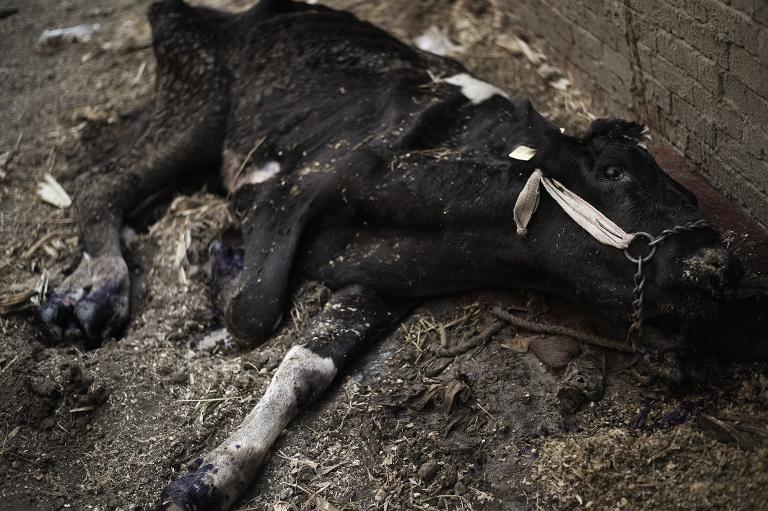
Norway confirms 'atypical' case of mad cow disease
(MENAFN- AFP) Norwegian authorities confirmed an "atypical" case of mad cow disease Thursday but said that it posed no risk to public health.
Unlike the classic form of bovine spongiform encephalopathy (BSE) -- transmitted through the now banned practice of feeding cows with meat-based feed -- which caused an epidemic in Britain in the 1990s, isolated cases of "atypical" BSE can appear in old livestock.
"The discovery of an atypical case of BSE has no implications for food security in Norway and there is no question of withdrawing products or putting other measures in place," Kristina Landsverk, a spokeswoman at the Norwegian Food Safety Authority, said in a statement.
"There is no risk in consuming beef or drinking milk."
The case -- discovered on a farm in central Norway -- was the first to be detected in the Nordic country but similar isolated cases have been reported in other countries including Switzerland and Brazil in recent years.
Only the classic form of BSE is known to have been transmitted to people, according to Norwegian authorities.
As a precaution, the cow's carcass was destroyed along with four other animals coming from the same herd.
Last week Norway alerted that it had detected a "probable" case of mad cow disease after two tests produced positive results. The atypical diagnosis was confirmed by a British laboratory.

Legal Disclaimer:
MENAFN provides the
information “as is” without warranty of any kind. We do not accept
any responsibility or liability for the accuracy, content, images,
videos, licenses, completeness, legality, or reliability of the information
contained in this article. If you have any complaints or copyright
issues related to this article, kindly contact the provider above.
Most popular stories
Market Research

More Story








Comments
No comment